Yes, Last Battery appears to be a legitimate digital guide, not a scam. It is an educational product focused on DIY battery backup, home energy storage, battery systems, backup-power planning, and related safety concepts. However, it is important to understand exactly what you are buying: Last Battery is a digital guide, not a physical battery, generator, solar panel system, or ready-to-use power station.
The bigger question is whether the guide is actually useful and whether it is suitable for you. That’s what this review covers.
We’ll look at why Last Battery is considered legitimate, how the concept works, its potential benefits, who should use it, who should avoid it, and why this guide isn’t necessarily right for everyone.
Quick Answer: Is Last Battery Legit or a Scam?
Last Battery is presented as a legitimate digital educational guide.
It provides information about battery storage, backup power, energy management, battery configurations, electrical components, charging, and safety. The product is designed to help readers understand DIY battery backup concepts rather than selling a physical battery system. That distinction matters.
If you purchase Last Battery expecting a battery to arrive at your door, you will be disappointed.
But if you understand that you’re purchasing educational information designed to help you learn about DIY battery backup and energy storage, the product makes much more sense.
Our verdict at a glance
- Is Last Battery legit? Yes.
- Is Last Battery a physical battery? No.
- Is it a digital guide? Yes.
- Can it help you understand DIY battery backup? That’s its stated purpose.
- Will it automatically eliminate your electricity bill? No.
- Will everyone benefit from it? No.
- Is it suitable for people interested in DIY energy storage? Potentially, yes.
Let’s explain why.
Why Is Last Battery Not a Scam?
There are several reasons why it’s important to distinguish Last Battery from a typical questionable online offer.
1. It clearly describes what you’re purchasing
One of the biggest problems with some online products is that customers aren’t sure what they are actually buying. Last Battery is different in this respect.
The product is presented as a digital educational guide rather than pretending to be a physical battery or complete backup system. The product information explains that users receive educational material covering battery backup and energy-storage concepts.
So you’re not paying for a battery and receiving a PDF.
You’re paying for the guide itself.
2. The subject matter is based on real technology
Battery energy storage is not a fictional concept. Batteries can store electrical energy and make that stored energy available later. Home battery systems can be used for backup power, energy management, and integration with other energy sources.
The Last Battery guide focuses on understanding these concepts and how different components can work together. The technology itself is real. What varies is how an individual chooses to implement it.
3. It doesn’t guarantee identical results for everyone
This is another important point. A responsible evaluation shouldn’t assume that everyone who reads a DIY battery guide will achieve the same outcome.
The available product information acknowledges that results can depend on factors such as equipment, technical knowledge, system design, execution, energy requirements, and local regulations.
That’s realistic. Someone with electrical experience, tools, workspace, and a clear understanding of their energy requirements will obviously have a different experience from someone who has never worked with electrical equipment before.
How Does Last Battery Work?
Last Battery doesn’t work like a conventional consumer electronics product. There is no button to press and no battery that automatically starts supplying your home with electricity. Instead, the basic concept is:
Learn → Understand your requirements → Plan → Choose appropriate components → Build or implement safely
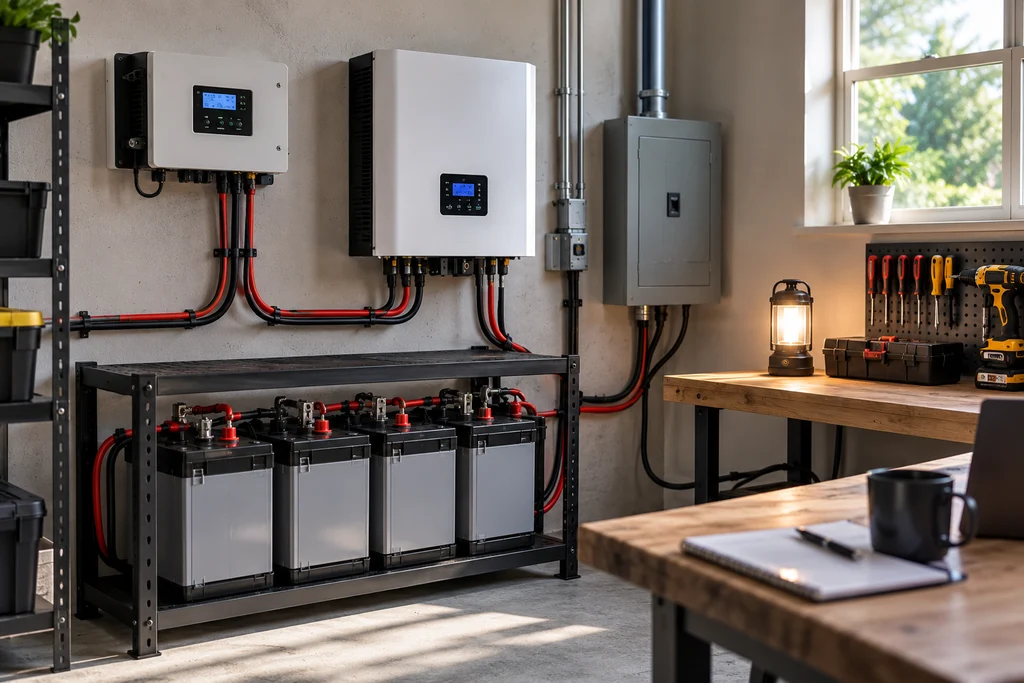
The guide is intended to provide information that can help readers understand the process. According to the available product information, topics include battery configurations, energy storage, charging systems, electrical components, backup-power planning, and safety. This educational approach can be useful because battery systems involve several different components and concepts.
For example, you need to think about:
- How much energy you actually need
- Which appliances are essential during an outage
- Battery capacity
- Charging
- Electrical connections
- System compatibility
- Safety
- Available space
- Budget
- Local electrical requirements
A guide can help you understand these concepts before you start purchasing equipment.
Why Does Last Battery Work as a Guide?
The value isn’t that the guide somehow creates electricity. The value is in organizing information that a beginner would otherwise have to collect from multiple sources. When researching DIY battery systems online, you can easily end up jumping between:
- YouTube videos
- Battery specifications
- Forums
- Electrical guides
- Manufacturer manuals
- Blog posts
- Product reviews
That can become confusing very quickly. Last Battery attempts to put the subject into a structured learning format so readers can understand the fundamentals before making decisions about their own setup. That’s where the guide can provide value.
What Are the Benefits of Last Battery?
There are several potential benefits for the right type of reader.
1. Learn the Fundamentals of Battery Backup
Instead of immediately purchasing expensive equipment, you can first learn how battery backup systems work. That knowledge can make it easier to understand specifications and compare different solutions.
2. Understand Home Energy Storage
The guide introduces concepts related to storing electricity for later use. This can help people understand what battery storage can and cannot accomplish.
3. Plan Before Spending Money
One of the biggest advantages of learning first is that you can potentially avoid purchasing incompatible or unnecessary equipment. Understanding your energy requirements before shopping is important.
4. Better Understand Backup Power
A properly planned backup system can provide electricity for selected essential loads during an outage. For example, someone might prioritize:
- Refrigerator
- Internet equipment
- Lights
- Phone charging
- Fans
- Emergency equipment
The amount of battery capacity required depends heavily on what you intend to power.
5. Improve Your Energy Knowledge
Even if you ultimately decide to purchase a professionally installed system, understanding the basics can help you have more informed conversations with installers and equipment suppliers.
6. Emergency Preparedness
People who experience frequent or prolonged power outages may have a stronger reason to learn about backup power. Having a plan before an outage happens can be valuable.
Who Should Use Last Battery?
This is where the product becomes more interesting. Last Battery isn’t necessarily for everyone. It is better suited to people who actually want to learn about battery backup and are willing to invest some time in understanding the subject.
It may be a good fit if you:
- Enjoy DIY projects
- Want to learn about battery technology
- Are interested in home backup power
- Want to understand energy storage
- Experience frequent power outages
- Are interested in emergency preparedness
- Want to explore off-grid concepts
- Prefer learning before purchasing equipment
- Are comfortable researching technical subjects
- Are willing to follow safety procedures carefully
For these people, a structured educational guide can be a useful starting point.
Who Should Avoid Last Battery?
This is equally important. You shouldn’t buy something simply because the topic sounds interesting.
Last Battery may not be right for you if:
You want a ready-to-use battery.
Last Battery is a digital guide. It doesn’t replace a physical power station or battery system.
You don’t enjoy DIY projects.
The educational material may be interesting, but actually implementing a battery project requires planning and effort.
You need backup power immediately.
If your electricity is going out tomorrow and you need a solution today, buying a commercial backup-power product may make more sense.
You don’t want to learn technical concepts.
Battery systems involve specifications, capacity, charging, electrical components, and safety considerations.
You expect guaranteed savings.
A guide cannot guarantee that your electricity bill will drop by a specific amount.
You are uncomfortable working with electrical equipment.
That’s a very important limitation.
You should never attempt electrical work simply because you purchased a guide.
Why Isn’t Last Battery for Everyone?
This is probably the most important part of this review. A DIY approach gives you knowledge, flexibility, and potentially more control, but it also requires responsibility. A professionally installed battery system, for example, may cost more, but you are paying for things such as:
- Professional installation
- Equipment warranties
- Integrated safety features
- Technical support
- System design
- Convenience
A DIY approach can be more flexible, but you’re taking on more of the learning, planning, sourcing, and implementation yourself.
So the question isn’t simply:
“Is Last Battery good?”
The better question is:
“Is a DIY battery-learning approach right for me?”
If the answer is yes, Last Battery may be worth exploring.
If the answer is no, a ready-made or professionally installed solution could be a better fit.
What Last Battery Does NOT Do
Let’s clear up some common misunderstandings.
It Doesn’t Give You Free Electricity
- A battery stores electricity.
- It doesn’t create electricity from nothing.
- If you’re using grid electricity to charge your batteries, you’re still purchasing that electricity.
- If you want to generate your own electricity, you need an appropriate generation source such as solar or another suitable system.
It Doesn’t Guarantee a Zero Electricity Bill
Your electricity costs depend on many factors, including:
- Energy consumption
- Utility rates
- Generation capacity
- Battery capacity
- System efficiency
- Weather
- Equipment
- Local regulations
Therefore, nobody should interpret a battery guide as a guarantee that their electricity bill will disappear.
It Doesn’t Include Hardware
You don’t receive:
- Batteries
- Solar panels
- Inverters
- Cables
- Tools
- Installation
- A generator
The guide is educational material.
Is Last Battery Safe?
The guide discusses battery and electrical safety, but that doesn’t mean every DIY project is automatically safe. Battery systems can involve genuine risks, including electrical shock, fire, chemical exposure, and equipment damage. The available product information specifically emphasizes responsible planning and safety, while independent coverage also highlights the risks associated with DIY electrical and battery projects.
That’s why you should:
- Follow manufacturer instructions
- Use appropriate protective equipment
- Understand the components you’re working with
- Follow applicable electrical codes
- Check local permit requirements
- Avoid work beyond your skill level
- Consult a qualified professional when necessary
Never treat a digital guide as a substitute for professional electrical expertise.
Is Last Battery Worth It?
For the right person, it can be worth considering.
If you’re interested in DIY battery backup and want to understand the fundamentals before spending money on equipment, the guide has a logical purpose. But if you want a simple plug-and-play solution, this probably isn’t what you’re looking for. The key is to understand the product before buying it.
You’re not buying a magical electricity-saving device. You’re buying information that can help you learn about DIY battery backup and energy storage.